Landlord Insurance in Alabama: Costs, Requirements & Best Providers
Alabama is an expensive state to insure a rental. The homeowners benchmark is $4,285 a year, and a landlord policy on the same house usually runs 15-25% higher. Wind is the reason, from Gulf hurricanes in Mobile and Baldwin counties to tornadoes across the north. Get a landlord insurance quote for your exact address, because the coast and the rest of the state price like two different markets.
By LandlordTested editorial teamPrices checked
We may earn a commission if you sign up through links on this page. It never changes a ranking. How we make money.
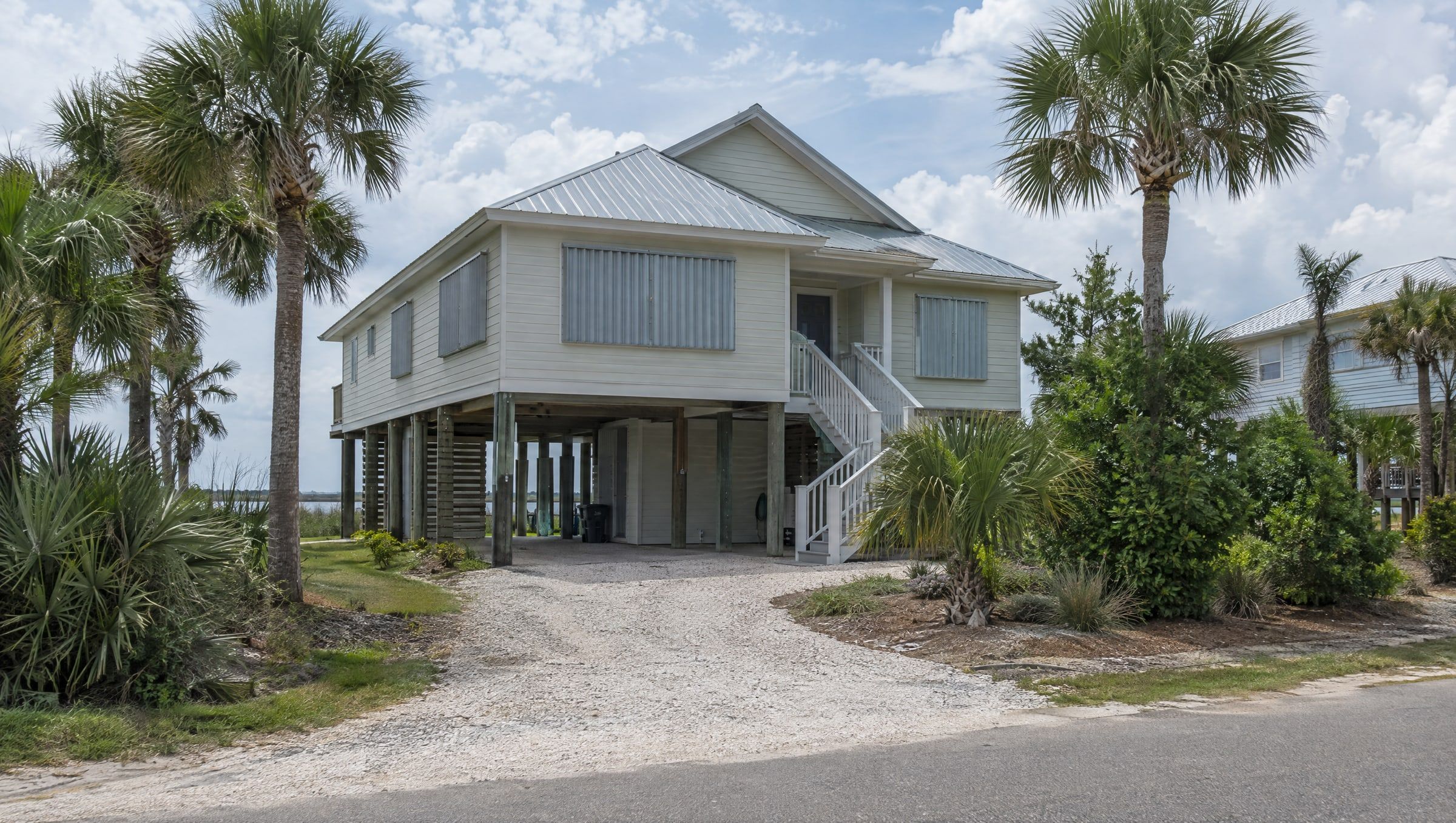
What landlords pay in Alabama
- Homeowners benchmark
- $4,285 a yearAbout $357 a month; 72% above the $2,490 national average.
- Estimated landlord policy
- $4,950-$5,350 a yearLandlord (DP-3) cover typically runs 15-25% above homeowners cover on the same building. Your quote will differ.
- Main hazards
- Hurricane, Tornado, Hail, Flood, Wind
- Not included
- Flood and earthquakeBoth need separate policies (NFIP or private flood; earthquake endorsement or policy).
Source: NerdWallet, 2026 homeowners (HO-3) median, $400,000 dwelling cover
Landlord insurance providers in Alabama
Both write landlord policies in all 50 states and quote online. Neither publishes prices, so the only way to know your premium is to get a quote for your address.
- 1
Steadily
Our pickSingle-family and 2-4 unit rentals, including vacant and short-term.
8.5/10 provisionalPrice
Quote-based
Pros, cons and who should skip itHide details
Good
- Covers all 50 states.
- Fast online quotes.
- Writes vacant and renovation properties too.
Watch out
- Mixed claim experiences, including wear-and-tear denials.
- Underwritten through a carrier some lenders have queried.
- Flood needs a separate policy.
Skip it if
Anyone who wants a local agent sitting across the desk.
- 2
Obie
Investors with several properties; portfolio policies available.
8.1/10 provisionalPrice
Quote-based
Pros, cons and who should skip itHide details
Good
- All 50 states plus DC.
- Portfolio (blanket) policies for several rentals.
- Covers short-term rentals and renovations.
Watch out
- Claims run through third-party administrators.
- Some reports of non-renewal after claims.
- Support is mostly email.
Skip it if
Landlords who want claims handled by the company they bought from.
Prices checked Oct 18, 2026. Scores are provisional until our account tests are done.
Want to see how Alabama compares? We keep a table of landlord insurance rates by state, with the method behind every figure.
On this page
What drives the price of insuring an Alabama rental
Alabama’s benchmark of $4,285 sits about 70% above the national average. That figure is for an owner-occupied HO-3 policy on a $400,000 house, so treat it as a yardstick rather than a price. A landlord (DP-3) policy on the same house typically lands 15-25% higher, roughly $4,900 to $5,400. A $180,000 brick ranch in Huntsville will price well below that, and a beach duplex in Gulf Shores well above.
Two hazards set the number. Hurricanes and tropical storms threaten the coast, and tornadoes cross the rest of the state, especially the corridor from Tuscaloosa through Birmingham into the Tennessee Valley. Hail fills in the gaps with steady roof claims.
The coast is its own market
South of I-10 in Mobile and Baldwin counties, many insurers won’t write wind at all. Owners there often buy a policy that excludes wind, then add wind and hail coverage from the Alabama Insurance Underwriting Association, the state’s beach pool. That’s two policies, two deductibles and two renewal dates.
Coastal policies also carry a named-storm or hurricane deductible, set as a percentage of the dwelling limit instead of a flat dollar amount. On a $250,000 dwelling limit, a 5% hurricane deductible is $12,500 out of your pocket before the policy pays anything. Read that line on every quote, not only the premium.
Flood is excluded from both policies. Storm surge, river flooding and heavy rain pooling in a low yard all count as flood. You buy it separately from the National Flood Insurance Program or a private flood insurer.
What your lender will want to see
A mortgage lender will usually ask for:
- Dwelling coverage at least equal to the loan amount or the rebuild cost
- Wind coverage, either in the main policy or through the beach pool
- Flood insurance if the property sits in a FEMA special flood hazard area
- The lender named as mortgagee on every policy
Investment-property and DSCR lenders often ask for loss-of-rent coverage too. Most landlord policies include it, but check the limit.
Ways to bring the premium down
- Build or re-roof to the FORTIFIED standard. Alabama requires insurers to offer discounts for FORTIFIED homes, and on the coast the wind savings can be large. Keep the certificate and send it with every quote request.
- Raise the all-other-perils deductible. Moving from $1,000 to $2,500 cuts the premium on every renewal. Keep that cash in reserve.
- Update the big systems. Roof age, electrical panel and plumbing type all show up in underwriting. A roof under 10 years old prices better than one at 20.
- Insure several rentals together. Obie writes portfolio policies with blanket limits, which can cost less than separate policies once you have three or four doors.
- Require renters insurance in the lease. It won’t cut your premium directly, but it keeps tenant belongings and many tenant-caused liability claims off your policy.
Alabama deposit and entry rules that affect your risk
Alabama caps the security deposit at one month’s rent, not counting pet deposits or deposits for alterations or increased liability risk. You must return it with an itemized list within 60 days after the tenancy ends and the tenant gives back possession, or you can owe twice the deposit (Ala. Code § 35-9A-201). With a one-month cap, a bad move-out can cost more than you hold, and a landlord policy pays for sudden damage, not wear and tear, so a cash reserve matters more here. You also need to give 2 days’ notice before entering (Ala. Code § 35-9A-303), so schedule post-storm roof checks with that window in mind.
Questions landlords ask
The questions we get most, each answered in a paragraph.
How much is landlord insurance in Alabama?
The NerdWallet 2026 benchmark for an Alabama homeowners policy on a $400,000 house is $4,285 a year, about 1.7 times the national average of $2,490. Landlord policies usually run 15-25% higher than homeowners policies on the same building. A smaller inland rental will often price lower, and a coastal property in Baldwin or Mobile County higher. Only a quote for the address tells you the real number.
Does landlord insurance in Alabama cover hurricanes?
Inland, most landlord policies include wind, but coastal policies often carry a separate hurricane or named-storm deductible set as a percentage of the dwelling limit. Near the Gulf, some insurers exclude wind entirely, and owners buy wind and hail coverage from the Alabama Insurance Underwriting Association. Storm surge counts as flood, which needs its own policy.
What is the Alabama Insurance Underwriting Association?
It's the state's beach pool, a backstop insurer that writes wind and hail coverage for properties in coastal Mobile and Baldwin counties when the private market won't. You pair it with a regular policy that excludes wind. It means two policies and two deductibles, so compare the combined cost when you shop.
Does a FORTIFIED roof lower insurance on an Alabama rental?
Usually yes. Alabama requires insurers to offer discounts for homes built or re-roofed to the IBHS FORTIFIED standard, and the savings show up mostly on the wind portion of the premium. Keep the FORTIFIED certificate and send it to every insurer you get a quote from, since discounts aren't applied without it.