Landlord Insurance in Florida: Costs, Requirements & Best Providers
Florida landlord insurance is driven by wind. The homeowners benchmark is $2,845 a year, but that median understates what coastal owners pay, and landlord policies usually run 15-25% higher than homeowners policies. Many rentals end up with Citizens, the state-created insurer. Get a landlord insurance quote with a current wind mitigation report in hand, because those inspection credits move the price more than anything else you control.
By LandlordTested editorial teamPrices checked
We may earn a commission if you sign up through links on this page. It never changes a ranking. How we make money.
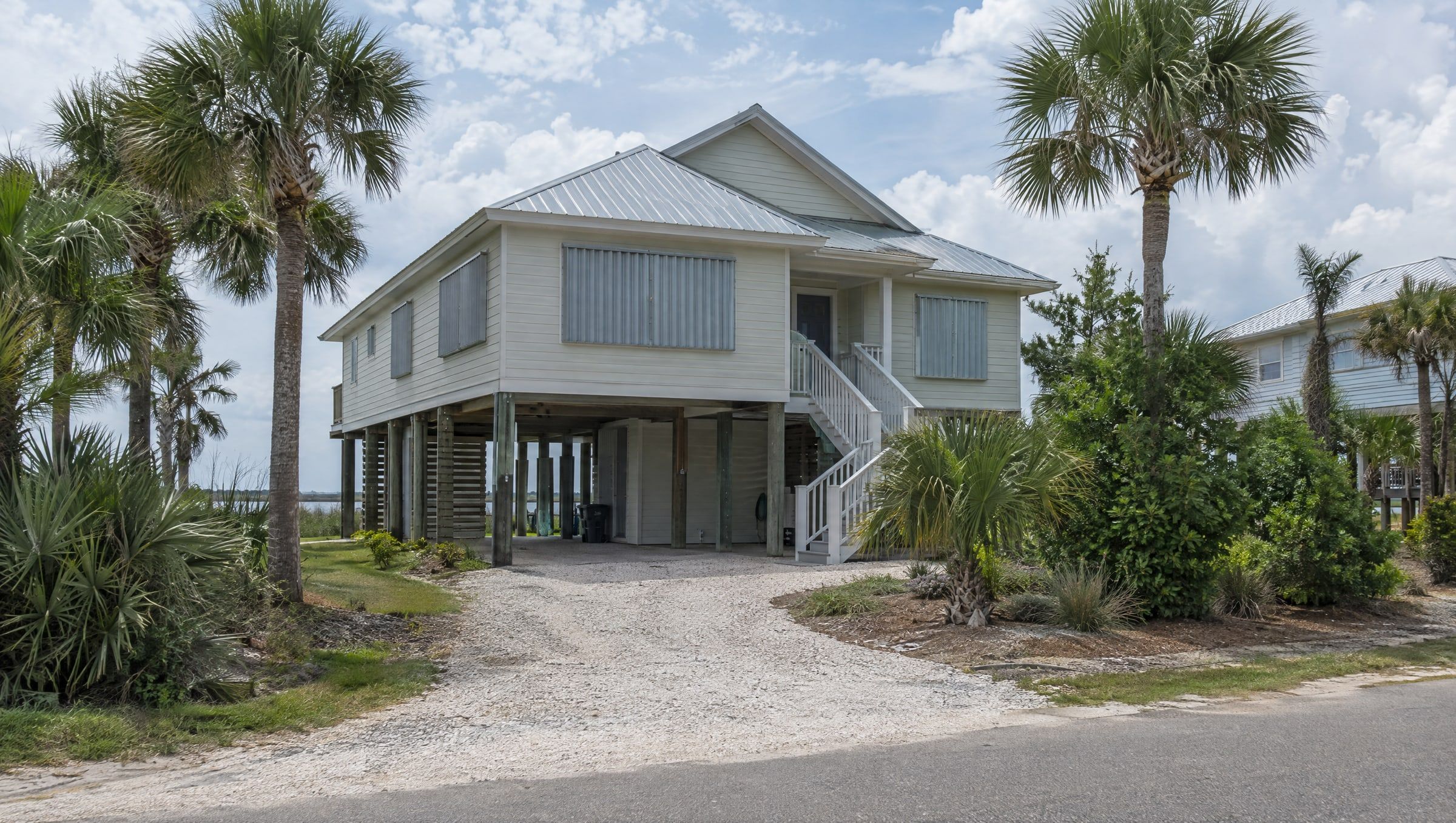
What landlords pay in Florida
- Homeowners benchmark
- $2,845 a yearAbout $237 a month; 14% above the $2,490 national average.
- Estimated landlord policy
- $3,250-$3,550 a yearLandlord (DP-3) cover typically runs 15-25% above homeowners cover on the same building. Your quote will differ.
- Main hazards
- Hurricane/windstorm, Flood/storm surge, Sinkhole, Hail, Mold/water damage
- Not included
- Flood and earthquakeBoth need separate policies (NFIP or private flood; earthquake endorsement or policy).
Source: NerdWallet, 2026 homeowners (HO-3) median, $400,000 dwelling cover
Landlord insurance providers in Florida
Both write landlord policies in all 50 states and quote online. Neither publishes prices, so the only way to know your premium is to get a quote for your address.
- 1
Steadily
Our pickSingle-family and 2-4 unit rentals, including vacant and short-term.
8.5/10 provisionalPrice
Quote-based
Pros, cons and who should skip itHide details
Good
- Covers all 50 states.
- Fast online quotes.
- Writes vacant and renovation properties too.
Watch out
- Mixed claim experiences, including wear-and-tear denials.
- Underwritten through a carrier some lenders have queried.
- Flood needs a separate policy.
Skip it if
Anyone who wants a local agent sitting across the desk.
- 2
Obie
Investors with several properties; portfolio policies available.
8.1/10 provisionalPrice
Quote-based
Pros, cons and who should skip itHide details
Good
- All 50 states plus DC.
- Portfolio (blanket) policies for several rentals.
- Covers short-term rentals and renovations.
Watch out
- Claims run through third-party administrators.
- Some reports of non-renewal after claims.
- Support is mostly email.
Skip it if
Landlords who want claims handled by the company they bought from.
Prices checked Oct 18, 2026. Scores are provisional until our account tests are done.
Want to see how Florida compares? We keep a table of landlord insurance rates by state, with the method behind every figure.
On this page
Read the Florida benchmark carefully
The $2,845 benchmark is a median across insurers for a $400,000 house, and other studies put Florida’s average far higher. A landlord (DP-3) policy on that house would start around $3,270 to $3,560, but a rental in Miami-Dade, Broward or Lee County can cost several times that. County, distance to the coast, roof age and wind mitigation features explain most of the gap.
Citizens and the private market
Citizens Property Insurance Corporation is Florida’s state-created insurer of last resort, and it writes dwelling policies for rentals. You’re generally eligible when no private carrier offers comparable coverage within 20% of the Citizens premium. Two things to know before relying on it:
- Citizens is phasing in a requirement that its policyholders carry flood insurance.
- Private insurers can offer to take over Citizens policies, and after a severe storm season Citizens policyholders can face surcharges.
The 2022 reforms ended one-way attorney fees and limited assignment-of-benefits claims for new policies, and several private carriers have since returned to the market. Shop at every renewal.
Hurricane deductibles
Florida policies carry a hurricane deductible of 2%, 5% or 10% of the dwelling limit, with a $500 option on some. It applies once per calendar year, not per storm.
| Dwelling limit | 2% | 5% | 10% |
|---|---|---|---|
| $250,000 | $5,000 | $12,500 | $25,000 |
| $400,000 | $8,000 | $20,000 | $40,000 |
A 5% or 10% deductible cuts the premium a lot. Choose one only if you hold that much cash.
The two inspections that set your price
Wind mitigation inspection. A licensed inspector fills out the state’s uniform form, OIR-B1-1802, recording roof shape, roof deck attachment, roof-to-wall connections (clips or straps), opening protection and secondary water resistance. Each feature earns a credit on the wind portion of the premium. A hip roof with straps and impact windows can cut wind costs dramatically.
Four-point inspection. For older homes, insurers want a report on the roof, electrical, plumbing and HVAC. Polybutylene pipes, some older electrical panels and a worn roof can mean a decline. Florida law limits refusals based on roof age alone for roofs under 15 years old, but older roofs usually need an inspection showing remaining life.
Flood and sinkhole
Flood is excluded from landlord policies, and storm surge counts as flood. Lenders require it in FEMA special flood hazard areas, and Citizens is requiring it of its policyholders. Coverage comes from the National Flood Insurance Program or private flood insurers.
All policies cover catastrophic ground cover collapse. Broader sinkhole coverage is optional and priced highest in Pasco, Hernando and Hillsborough counties.
Ways to bring the premium down
- Get a fresh wind mitigation inspection and send it to every insurer.
- Add roof-to-wall straps or impact-rated openings when you re-roof or replace windows.
- Replace a roof approaching 15 years before you shop.
- Raise the hurricane deductible only as far as your cash reserve allows.
- Get an elevation certificate to price flood coverage accurately.
Florida deposit rules and your risk
Florida sets no limit on deposits. If you make no claim, you return the deposit within 15 days. To claim against it, you must send notice by certified mail within 30 days of the lease ending, or you lose the right to claim (Fla. Stat. § 83.49). You must also disclose in writing how the deposit is held within 30 days of receiving it. After a storm, missing that 30-day certified-mail notice while dealing with an insurance claim is an easy and expensive mistake.
Questions landlords ask
The questions we get most, each answered in a paragraph.
How much is landlord insurance in Florida?
NerdWallet's 2026 benchmark for a Florida homeowners policy on a $400,000 house is $2,845 a year, but its median-of-insurers method produces a lower figure than many other studies. Coastal counties often price far above it. Landlord policies usually run 15-25% higher than homeowners policies. A quote with your wind mitigation report is the only figure that counts.
Can I put a rental property on Citizens in Florida?
Yes. Citizens Property Insurance Corporation writes dwelling policies for rentals. You're generally eligible when no private insurer offers comparable coverage at a premium within 20% of the Citizens price. Citizens policies can be offered to private insurers through takeout programs, and Citizens is phasing in a requirement that its policyholders also carry flood insurance.
How does the Florida hurricane deductible work?
Florida policies carry a separate hurricane deductible, usually 2%, 5% or 10% of the dwelling limit, though a $500 option exists. It applies once per calendar year, so a second hurricane in the same season uses your remaining deductible instead of starting a new one. On a $300,000 dwelling limit, a 2% deductible is $6,000.
Is sinkhole damage covered on a Florida rental?
Policies must cover catastrophic ground cover collapse, meaning the ground suddenly gives way and the building is condemned. Broader sinkhole coverage, for cracking and settling, is an optional add-on with its own deductible. It costs most in west-central Florida, in Pasco, Hernando and Hillsborough counties.