Landlord Insurance in Texas: Costs, Requirements & Best Providers
Landlord insurance in Texas costs about twice the national average. The homeowners benchmark is $4,915 a year, and a landlord policy typically runs about $5,650 to $6,150. Hail drives the price in Dallas-Fort Worth and San Antonio, while coastal rentals need windstorm coverage, often from TWIA. Get a landlord insurance quote for the exact address and compare the wind and hail deductible as closely as the premium.
By LandlordTested editorial teamPrices checked
We may earn a commission if you sign up through links on this page. It never changes a ranking. How we make money.
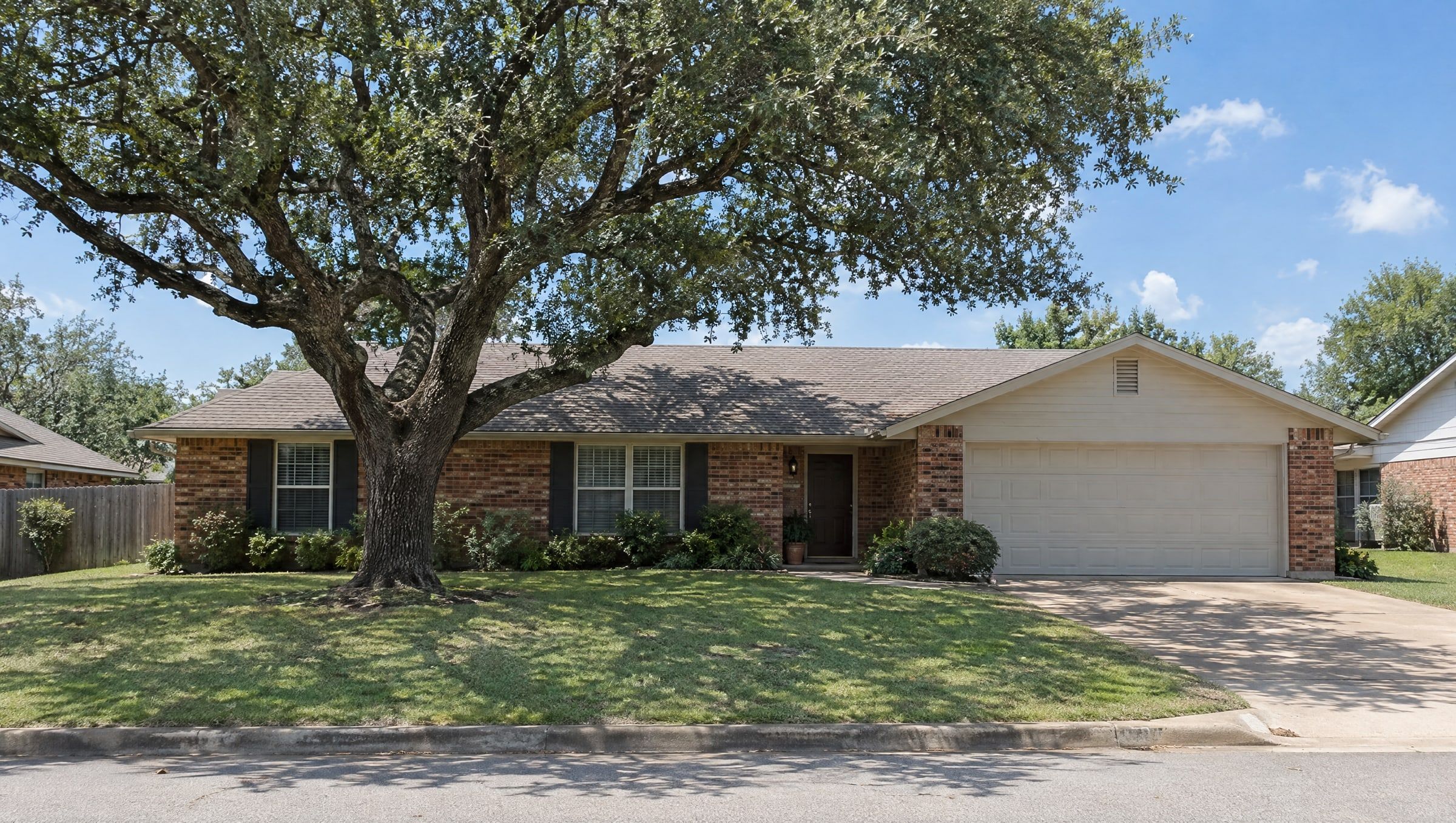
What landlords pay in Texas
- Homeowners benchmark
- $4,915 a yearAbout $410 a month; 97% above the $2,490 national average.
- Estimated landlord policy
- $5,650-$6,150 a yearLandlord (DP-3) cover typically runs 15-25% above homeowners cover on the same building. Your quote will differ.
- Main hazards
- Hurricane, Hail, Tornado, Flood, Winter freeze (pipe bursts), Wildfire
- Not included
- Flood and earthquakeBoth need separate policies (NFIP or private flood; earthquake endorsement or policy).
Source: NerdWallet, 2026 homeowners (HO-3) median, $400,000 dwelling cover
Landlord insurance providers in Texas
Both write landlord policies in all 50 states and quote online. Neither publishes prices, so the only way to know your premium is to get a quote for your address.
- 1
Steadily
Our pickSingle-family and 2-4 unit rentals, including vacant and short-term.
8.5/10 provisionalPrice
Quote-based
Pros, cons and who should skip itHide details
Good
- Covers all 50 states.
- Fast online quotes.
- Writes vacant and renovation properties too.
Watch out
- Mixed claim experiences, including wear-and-tear denials.
- Underwritten through a carrier some lenders have queried.
- Flood needs a separate policy.
Skip it if
Anyone who wants a local agent sitting across the desk.
- 2
Obie
Investors with several properties; portfolio policies available.
8.1/10 provisionalPrice
Quote-based
Pros, cons and who should skip itHide details
Good
- All 50 states plus DC.
- Portfolio (blanket) policies for several rentals.
- Covers short-term rentals and renovations.
Watch out
- Claims run through third-party administrators.
- Some reports of non-renewal after claims.
- Support is mostly email.
Skip it if
Landlords who want claims handled by the company they bought from.
Prices checked Oct 18, 2026. Scores are provisional until our account tests are done.
Want to see how Texas compares? We keep a table of landlord insurance rates by state, with the method behind every figure.
On this page
Texas dwelling policies have their own names
Texas uses its own dwelling forms. Instead of DP-1, DP-2 and DP-3, you’ll often see TDP-1, TDP-2 and TDP-3. The TDP-3 is the open-perils form most landlords want, since it covers the building against any cause not specifically excluded. Read the form number on every quote so you’re comparing like with like.
Hail country: the deductible matters most
Dallas-Fort Worth, San Antonio, Austin and the Panhandle all see damaging hail most years. Many Texas policies carry a separate wind and hail deductible, written as a percentage of the dwelling limit:
| Dwelling limit | 1% deductible | 2% deductible |
|---|---|---|
| $250,000 | $2,500 | $5,000 |
| $400,000 | $4,000 | $8,000 |
Also check whether the roof is paid at replacement cost or actual cash value, and whether cosmetic damage is excluded. Loans sold to Fannie Mae generally cap the deductible at 5% of the dwelling limit.
The coast: TWIA and the FAIR Plan
On the Gulf Coast, from Brownsville to Beaumont, many private insurers exclude wind. The Texas Windstorm Insurance Association fills that gap in the 14 coastal counties and part of Harris County. That means two policies: TWIA for wind and hail, and a landlord policy for everything else. Away from the coast, if no private insurer will write you, the Texas FAIR Plan Association offers basic coverage.
Flood and freeze
Hurricane Harvey in 2017 flooded large parts of Houston, much of it outside mapped flood zones. Landlord policies exclude flood. Coverage comes from the National Flood Insurance Program or a private carrier, usually after a 30-day wait, so buying when a storm is in the Gulf is too late.
Winter Storm Uri in 2021 showed the other side: pipes in attics and exterior walls burst across the state. Insulate them, and keep vacant units heated.
What lenders require
Lenders want a landlord policy naming them as mortgagee, with dwelling coverage at least equal to the loan or rebuild cost and a deductible within their limits. On the coast, they’ll require proof of windstorm coverage. Flood insurance is mandatory on federally backed loans in a special flood hazard area.
Ways to cut the premium
- Install Class 4 impact-resistant shingles and ask for the discount.
- Get a windstorm inspection certificate for any coastal repair or re-roof so you stay TWIA-eligible.
- Raise your deductible to the largest amount your reserves can cover after a hail storm.
- Insure several rentals together. Obie offers portfolio policies with blanket limits.
- Require renters insurance with liability coverage in every lease.
Texas deposit and security rules
Texas sets no deposit cap (Tex. Prop. Code §§ 92.101-92.109). You must refund the deposit or send an itemized list of deductions within 30 days after the tenant surrenders the unit, once you have a written forwarding address. Bad-faith retention can cost $100 plus three times the amount withheld and attorney fees. You also have to rekey locks within 7 days of each tenant turnover and provide required security devices, and skipping that creates liability your policy may not cover.
Questions landlords ask
The questions we get most, each answered in a paragraph.
How much is landlord insurance in Texas?
Texas's homeowners benchmark is $4,915 a year for $400,000 of dwelling coverage (NerdWallet 2026). Landlord policies typically cost 15% to 25% more, or about $5,650 to $6,150. A newer house in Austin's suburbs, a fourplex in Fort Worth and a rental in Galveston can be thousands of dollars apart, so only a quote on the real address counts.
What is TWIA?
The Texas Windstorm Insurance Association provides wind and hail coverage in the 14 coastal counties and part of Harris County when private insurers won't. It covers wind and hail only, so you pair it with a landlord policy that excludes wind. Buildings built or repaired since 1988 generally need a state windstorm inspection certificate to qualify.
Does landlord insurance cover frozen pipes in Texas?
Usually, if the building was heated. Winter Storm Uri in February 2021 caused huge numbers of burst-pipe claims across Texas, many in homes not built for that cold. Dwelling policies typically exclude freeze damage when heat wasn't maintained, and coverage can tighten once a unit is vacant for a set period. Insulate exposed pipes and keep vacant units heated.