Landlord Property Insurance: What It Covers
Landlord property insurance pays to repair or rebuild the rental itself, detached structures like a garage or fence, and usually the rent you lose while the place is unlivable after a covered loss. It doesn't cover your tenant's belongings, wear and tear, or flood. Decide on a rebuild cost and a policy form before you get a landlord insurance quote, because those two choices shape everything else.
By LandlordTested editorial teamLast reviewed
We may earn a commission if you sign up through links on this page. It never changes a ranking. How we make money.
On this page
- What landlord property insurance covers
- Named perils vs open perils: DP-1, DP-2 and DP-3
- What rental property coverage leaves out
- Replacement cost vs actual cash value
- How much dwelling coverage to buy
- Deductibles and how they work
- Vacancy, renovation and short-term rentals
- Coverage add-ons worth asking about
What landlord property insurance covers
The property side of a landlord policy has four parts. Their names vary by insurer, but the shape is the same.
The dwelling
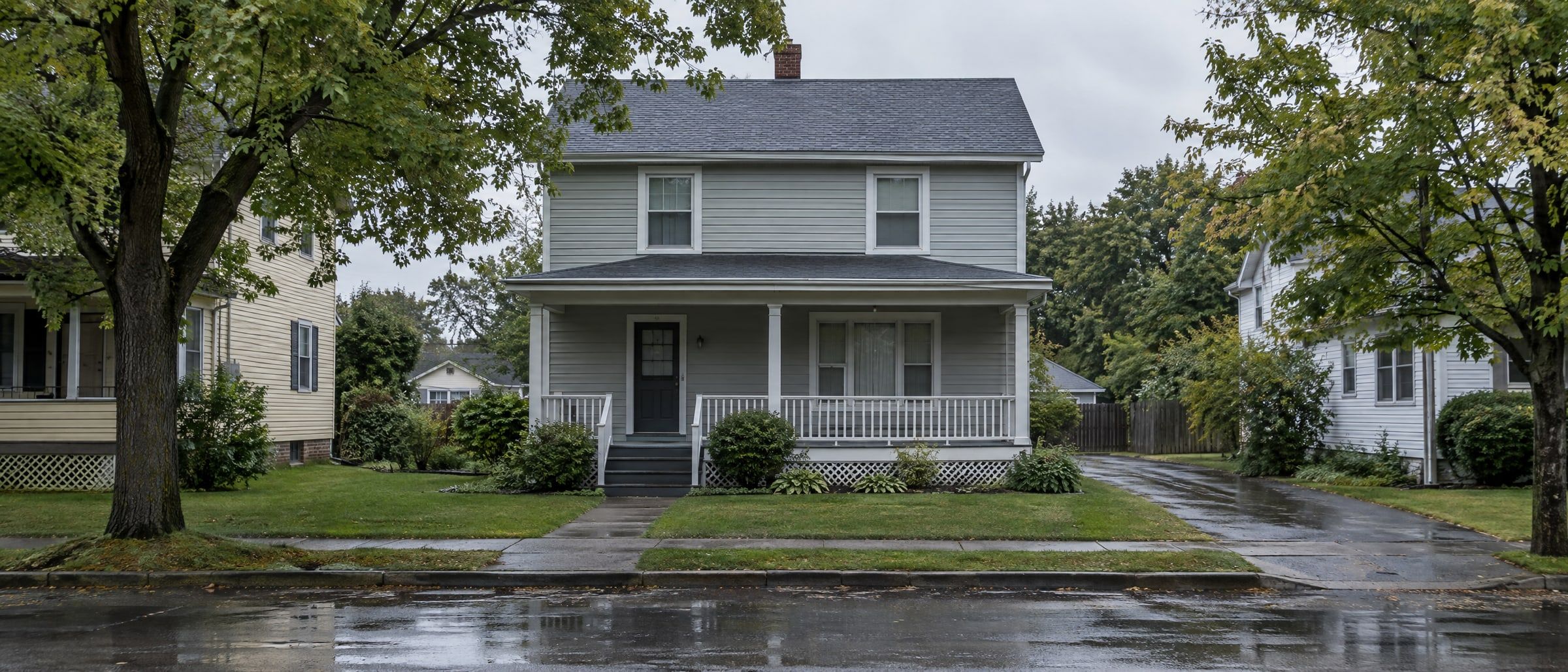
This is the house or building itself, including attached structures like a deck or attached garage, built-in appliances and the plumbing, wiring and HVAC. It’s the biggest number on the policy and the one your lender cares about.
Other structures
Detached garages, sheds, fences and driveways. Coverage is often set as a percentage of the dwelling limit, commonly 10%, and can be raised.
Loss of rent
Often called fair rental value. If a covered loss makes the unit unlivable, this pays the rent you would have collected while it’s repaired, up to a set limit or number of months. A kitchen fire that takes four months to fix on a $1,650 rental is $6,600 of lost rent before you count the repair.
Your property on site
Things you own and keep at the rental for the tenant’s use or for upkeep: appliances, window coverings, a lawnmower in the shed, furniture in a furnished rental. Limits on this are usually modest, so a fully furnished unit needs a higher figure.
Named perils vs open perils: DP-1, DP-2 and DP-3
Landlord policies are written on dwelling forms. The form decides what counts as a covered loss and how claims are paid.
| Form | What’s covered | How the building is paid | Fits |
|---|---|---|---|
| DP-1 (basic) | A short list of named perils, such as fire, lightning and explosion, with others added by endorsement | Often actual cash value | Low-value or paid-off properties where you’re watching the premium |
| DP-2 (broad) | A longer list of named perils, adding things like burst pipes, falling objects and the weight of snow | Usually replacement cost | Middle ground, less common |
| DP-3 (special) | Anything not specifically excluded, on the dwelling | Usually replacement cost | Most rentals, and most lenders |
The difference matters at claim time. On a named-perils policy, you have to show the loss came from a listed peril. On an open-perils policy, the insurer has to show an exclusion applies. Steadily’s dwelling coverage lists fire, water, storm and hail, wind and hurricane, vandalism and burglary, and riot. Obie quotes DP-3 landlord policies.
What rental property coverage leaves out
These gaps cause most of the unhappy surprises:
- Your tenant’s belongings. Their furniture, clothes and electronics are their problem, which is why requiring renters insurance helps everyone.
- Flood. Excluded. Buy a separate flood policy if there’s any real risk.
- Earthquake. Excluded on standard forms. In earthquake country, ask about a separate policy or endorsement.
- Wear, tear and neglect. A roof that leaks because it’s worn out, a slow leak that rotted the subfloor over months, or a furnace that died of old age. Insurance covers sudden accidents, not maintenance.
- Mold. Often excluded or capped at a small amount.
- Sewer and drain backup. Usually excluded unless you add a water backup endorsement.
- Code upgrades after a loss. If local code makes you rebuild to a higher standard, the extra cost is covered only with ordinance or law coverage.
- Pests. Termites, rodents and bedbugs are maintenance issues.
Replacement cost vs actual cash value
Replacement cost pays what it costs to repair or rebuild with similar materials today. Actual cash value pays that amount minus depreciation.
Say a hailstorm ruins a roof that costs $14,000 to replace. On replacement cost, you’d get roughly $14,000 minus your deductible. On actual cash value, the insurer subtracts depreciation first, so for a roof near the end of its life you might get a small fraction of that. Some policies that pay replacement cost on the house still settle roofs on a depreciation schedule once they pass a certain age, so check the roof wording specifically.
How much dwelling coverage to buy
Insure the dwelling for what it would cost to rebuild, not for its market value or what you paid. The land isn’t at risk, and in an expensive neighborhood the land can be most of the price. In a cheaper market, rebuild cost can be higher than the sale price.
Insurers estimate rebuild cost from square footage, construction type and local labor and material costs. Ask how they got their number and compare it with what local contractors charge per square foot. Two things to watch:
- Coinsurance. Many dwelling policies require you to insure for at least 80% of replacement cost. Fall below that and the insurer can reduce what it pays on a partial loss, not only a total one.
- Extended replacement cost. This pays a set percentage above your limit if rebuilding costs jump after a widespread disaster. It’s useful where storms or wildfires hit many homes at once.
Review the limit every year or two. Construction costs move, and a limit set when you bought the house can fall behind.
Deductibles and how they work
Most policies have a flat all-perils deductible, such as $1,000 or $2,500. A higher deductible lowers the premium, but only choose one you could pay tomorrow.
In hurricane, hail and windstorm states, policies often add a separate wind or hail deductible set as a percentage of the dwelling limit. At 2% on a $300,000 dwelling limit, the first $6,000 of a roof claim is yours. That deductible can matter more than the premium when you compare quotes.
Vacancy, renovation and short-term rentals
A standard landlord policy assumes a tenant lives there. Three situations need different coverage:
- Vacancy. Many policies cut back coverage after about 60 days empty. A long gap between tenants should prompt a call to your insurer.
- Renovation. A gut rehab with walls open and no one living there is a different risk. Steadily and Obie both quote vacant and renovation policies, and both handle builder’s risk for bigger projects.
- Short-term rentals. Nightly guests aren’t tenants. If you list the property on Airbnb or VRBO, you need a short-term rental policy, which both Steadily and Obie write.
Coverage add-ons worth asking about
- Water backup for sewer and drain backups, especially with a finished basement.
- Ordinance or law for older buildings that would have to be brought up to current code.
- Equipment breakdown for HVAC and water heaters that fail mechanically or electrically.
- Extended replacement cost in disaster-prone areas.
- Higher limits on landlord contents for furnished rentals.
- Flood insurance as a separate policy, even outside a mapped high-risk zone if water has ever come close.
Questions landlords ask
The questions we get most, each answered in a paragraph.
Does landlord insurance cover damage caused by a tenant?
Sudden accidental damage, like a kitchen fire a tenant starts, is usually covered under the dwelling part of the policy. Gradual damage, neglect and normal wear are not. Deliberate damage by your own tenant is a gray area; some policies cover it as vandalism and others exclude or limit it, so ask before you buy. The security deposit and the tenant's renters liability coverage are your other recovery routes.
Does landlord property insurance cover appliances?
Appliances you own and leave in the unit, like the fridge, stove and washer, are generally covered against the same perils as the building, such as fire or a burst pipe. They aren't covered for breaking down from age. That's what equipment breakdown endorsements and home warranties are for. Your tenant's own appliances belong on their renters policy.
Is flood damage covered by landlord insurance?
No. Standard landlord policies exclude flooding from surface water, rising rivers and storm surge. You need a separate flood policy, either through the National Flood Insurance Program or a private flood insurer. If the property is in a high-risk flood zone and has a federally backed mortgage, your lender will require it. Water from a burst pipe inside the house is a different peril and is usually covered.
What is a DP-3 policy?
DP-3 is the most common landlord policy form. It covers the dwelling on an open-perils basis, meaning any cause of loss is covered unless the policy excludes it, and it usually pays replacement cost on the building. DP-1 covers only a short list of named perils and often pays actual cash value. DP-2 sits between them. Most landlords with a mortgage end up with a DP-3.
Does landlord insurance cover a vacant rental?
Only for a while. Many dwelling policies limit or drop coverage for vandalism, glass breakage and some water damage once the property has been empty for about 60 consecutive days. If you expect a long vacancy or a renovation, tell your insurer and ask for a vacancy endorsement or a vacant-property policy. Steadily and Obie both offer vacant and renovation coverage.