Landlord Insurance in Maryland: Costs, Requirements & Best Providers
Maryland landlord insurance is priced close to the national average. The homeowners benchmark is $2,375 a year, and landlord policies usually run 15-25% higher. Water is the theme: tidal flooding around the Bay, flash floods in places like Ellicott City, and hurricane exposure in Ocean City. Get a landlord insurance quote and check the flood and lead-paint questions before you compare prices.
By LandlordTested editorial teamPrices checked
We may earn a commission if you sign up through links on this page. It never changes a ranking. How we make money.
What landlords pay in Maryland
- Homeowners benchmark
- $2,375 a yearAbout $198 a month; 5% below the $2,490 national average.
- Estimated landlord policy
- $2,750-$2,950 a yearLandlord (DP-3) cover typically runs 15-25% above homeowners cover on the same building. Your quote will differ.
- Main hazards
- Hurricane/tropical storm, Nor'easter/winter storm, Flood, Wind, Freeze
- Not included
- Flood and earthquakeBoth need separate policies (NFIP or private flood; earthquake endorsement or policy).
Source: NerdWallet, 2026 homeowners (HO-3) median, $400,000 dwelling cover
Landlord insurance providers in Maryland
Both write landlord policies in all 50 states and quote online. Neither publishes prices, so the only way to know your premium is to get a quote for your address.
- 1
Steadily
Our pickSingle-family and 2-4 unit rentals, including vacant and short-term.
8.5/10 provisionalPrice
Quote-based
Pros, cons and who should skip itHide details
Good
- Covers all 50 states.
- Fast online quotes.
- Writes vacant and renovation properties too.
Watch out
- Mixed claim experiences, including wear-and-tear denials.
- Underwritten through a carrier some lenders have queried.
- Flood needs a separate policy.
Skip it if
Anyone who wants a local agent sitting across the desk.
- 2
Obie
Investors with several properties; portfolio policies available.
8.1/10 provisionalPrice
Quote-based
Pros, cons and who should skip itHide details
Good
- All 50 states plus DC.
- Portfolio (blanket) policies for several rentals.
- Covers short-term rentals and renovations.
Watch out
- Claims run through third-party administrators.
- Some reports of non-renewal after claims.
- Support is mostly email.
Skip it if
Landlords who want claims handled by the company they bought from.
Prices checked Oct 18, 2026. Scores are provisional until our account tests are done.
Want to see how Maryland compares? We keep a table of landlord insurance rates by state, with the method behind every figure.
On this page
What Maryland rentals cost to insure
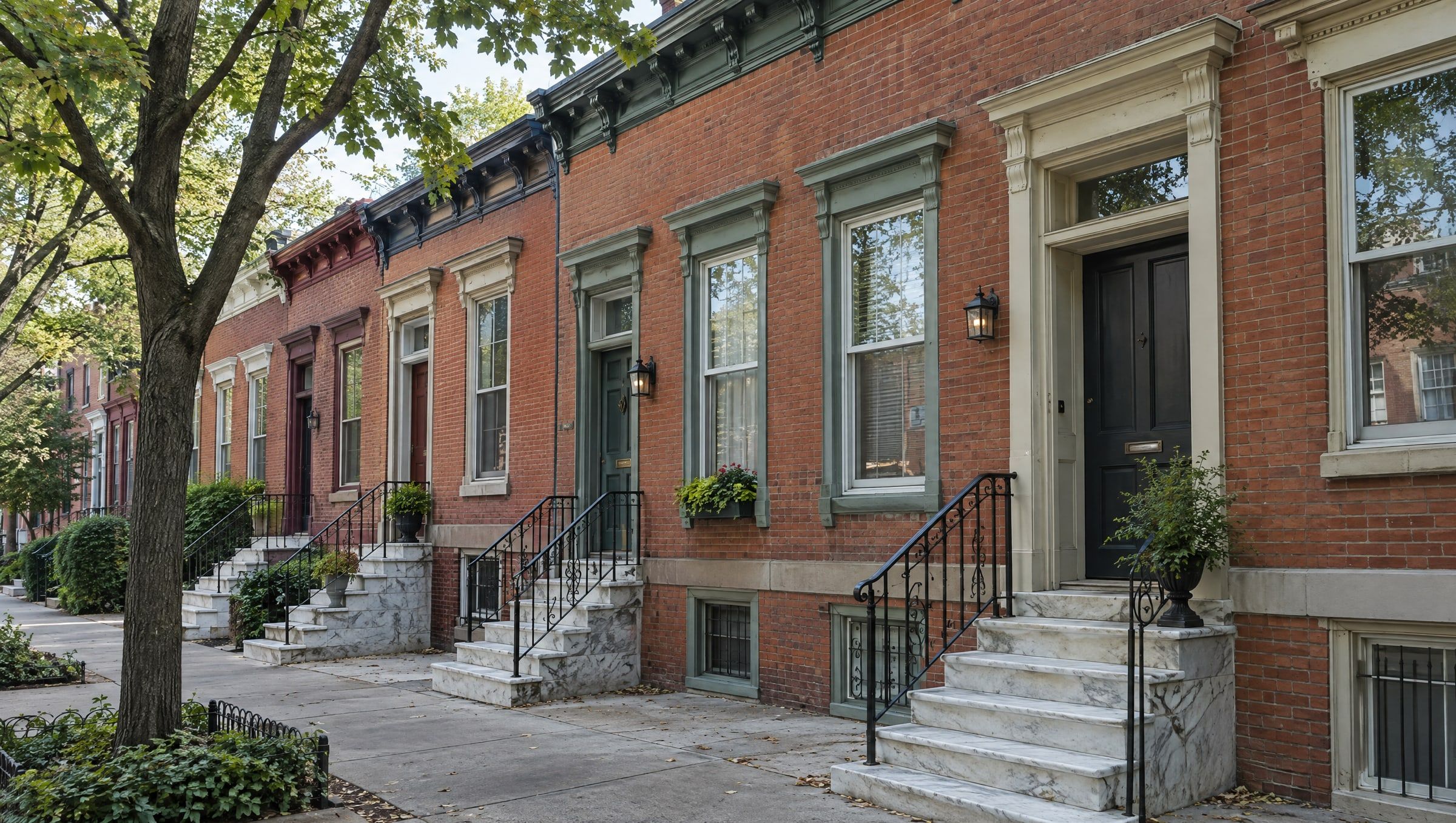
Maryland’s benchmark of $2,375 runs slightly under the national figure. A landlord (DP-3) policy on the same $400,000 house would start around $2,730 to $2,970. A Baltimore rowhouse, a townhouse in Prince George’s County and a beach condo in Ocean City each price on very different factors.
Water from three directions
Tidal and Bay flooding. Annapolis, Baltimore’s harbor neighborhoods and the low Eastern Shore see high-tide flooding that’s getting more frequent. Flood is excluded from landlord policies.
Flash floods. Ellicott City’s historic main street flooded catastrophically in 2016 and again in 2018. Flash flooding can hit properties nowhere near the Bay or a mapped zone.
Hurricanes and nor’easters. Ocean City and Worcester County take the most wind exposure. Coastal policies there commonly carry a separate hurricane deductible set as a percentage of the dwelling limit; on a $300,000 limit, 2% is $6,000.
Lenders require flood insurance in FEMA special flood hazard areas. Elsewhere, a policy from the National Flood Insurance Program or a private flood insurer is optional, and often worth it for basements and low lots. Basement water backing up through a drain needs a sewer backup endorsement, which is different from flood.
Baltimore rowhouses and older buildings
Shared walls mean a fire next door can become your claim, and a vacant neighbor raises the risk. Underwriters ask about roof age, wiring, heating and whether adjoining houses are occupied. Old wiring or a long-vacant unit can lead to a decline. If the regular market says no, the Maryland Joint Insurance Association, the state’s FAIR Plan, is the backstop, with narrower coverage.
If you’re renovating between tenants, a standard landlord policy may not fit. Steadily and Obie both write vacant and renovation coverage.
Lead paint is an insurance question
Maryland has strict lead rules for older rental housing. Many landlord policies exclude or limit lead poisoning liability, and that exclusion matters more here than in most states. Ask each insurer in writing whether lead claims are covered, at what limit, and what records they expect.
What lenders want
Expect to show dwelling coverage at least equal to the loan or rebuild cost, the lender named as mortgagee, and flood coverage in a mapped zone. Investment lenders often require loss-of-rent coverage.
How to pay less in Maryland
- Update wiring, heating and plumbing in older housing, and report the dates.
- Add a sewer backup endorsement and a battery-backed sump pump in basement units, which prevents costlier claims later.
- Get an elevation certificate before pricing flood on waterfront property.
- Raise the all-other-perils deductible if you have the reserve.
- Put several rentals on one portfolio policy; Obie writes blanket coverage.
Maryland deposit rules and your risk
For deposits paid on or after October 1, 2024, Maryland caps the deposit at one month’s rent, down from two. You must give a written receipt, hold the deposit in a Maryland escrow account, pay simple interest on deposits of $50 or more, and return it with an itemized list of damages and costs within 45 days after the tenancy ends. Getting it wrong can cost up to three times the withheld amount plus attorney fees (Md. Code, Real Prop. § 8-203). With a smaller deposit, more of a bad turnover lands on you, so a cash reserve matters more than it did before 2024.
Questions landlords ask
The questions we get most, each answered in a paragraph.
How much is landlord insurance in Maryland?
NerdWallet's 2026 benchmark for a Maryland homeowners policy on a $400,000 house is $2,375 a year, a little under the $2,490 national average. Landlord policies usually cost 15-25% more. Waterfront properties on the Eastern Shore and in Ocean City price higher, and flood is separate. A quote for the address is the only real figure.
Does landlord insurance cover lead paint claims in Maryland?
Often not. Many landlord policies exclude or sharply limit liability for lead poisoning. Maryland has strict lead rules for older rental housing, and a claim can be large. Ask each insurer in writing how the policy handles lead, and keep your lead compliance records current.
What is the Maryland Joint Insurance Association?
It's Maryland's FAIR Plan, the backstop insurer for properties that can't get coverage in the regular market, such as older urban buildings or properties with prior claims. Coverage is basic compared with a standard landlord policy. Try private carriers and brokers first, and use it if they decline.
How much can I charge for a security deposit in Maryland?
For deposits paid on or after October 1, 2024, the cap is one month's rent, down from two. You must give a written receipt, hold the deposit in a Maryland escrow account, pay interest on deposits of $50 or more, and return it with an itemized list within 45 days after the tenancy ends.