Maryland Landlord-Tenant Laws: A Plain-English Guide
Maryland landlord-tenant laws are stricter than most of the region. Deposits paid since October 1, 2024 are capped at one month's rent, earn mandatory interest and are due back in 45 days. Late fees can't top 5%, pre-1978 rentals must be registered for lead, and nonpayment cases need a 10-day notice of intent to file. Here is the landlord year in Maryland, and how it compares on security deposit laws by state.
By LandlordTested editorial teamLast reviewed
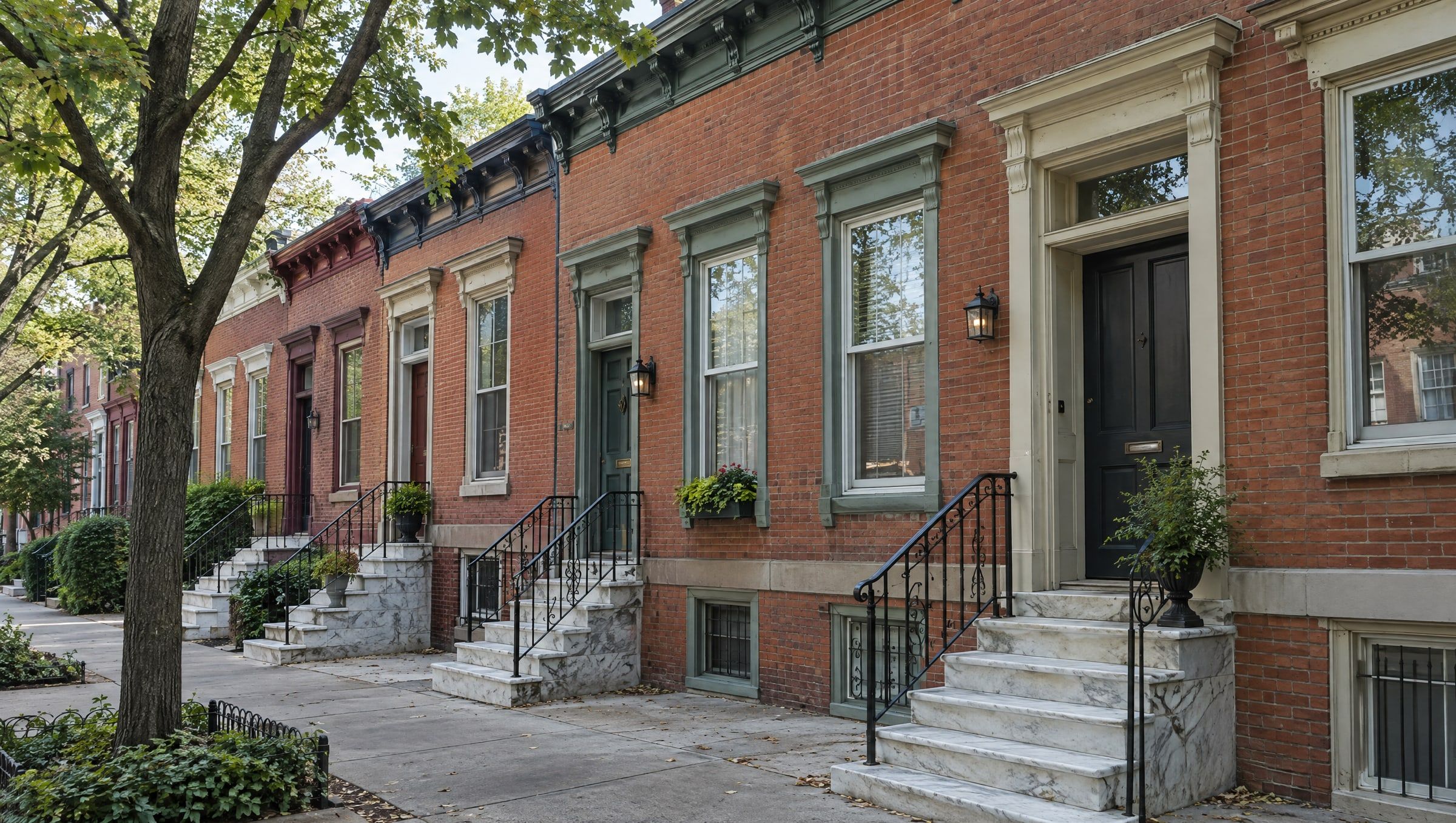
Maryland at a glance
- Security deposit limit
- 1 month's rent for deposits paid on or after Oct 1, 2024 (previously 2 months)
- Deposit returned within
- 45 daysReturn within 45 days after tenancy ends with an itemized list of damages and costs; liability up to 3x the withheld amount plus attorney fees.
- Late fees
- Maximum 5% of the monthly rent due
- Rent control
- No statewide rent controlNo statewide rent cap.
- Entry notice
- None specified statewide (lease governs; some counties require notice)
- Notice for unpaid rent
- 10-day written notice of intent to file a Failure to Pay Rent complaint
- Ending a month-to-month
- 60 daysLandlord must give at least 60 days' written notice to end a month-to-month tenancy in most jurisdictions (Real Prop. § 8-402); tenants give 1 month. Local rules can be longer.
Source: Md. Code, Real Prop. § 8-203; Md. Code, Real Prop. §§ 8-401, 8-402, 8-402.1
Maryland topic guides
General information, not legal advice. Last legal review October 18, 2026. Laws change; check the statute or a local landlord-tenant attorney before acting.
Before the lease
Screening
Maryland bans housing discrimination based on source of income, so a housing voucher must be counted the same way as wages. Follow the Fair Credit Reporting Act: written consent before you pull a report, an adverse action notice when a report leads to a denial. Avoid blanket bans on criminal records. HUD withdrew its 2016 guidance in 2025, but such bans still invite Fair Housing Act claims.
Deposits, receipts and the escrow account
For deposits paid on or after October 1, 2024, the cap is one month’s rent (Md. Code, Real Prop. § 8-203). Give a written receipt, deposit the money in a Maryland escrow account, and keep the paperwork. The tenant can request a move-in inspection, and you should do one anyway.
Required documents
The Renters’ Rights and Stabilization Act of 2024 requires you to give tenants the state Tenant Bill of Rights. If the building was built before 1978, it must be registered with the Maryland Department of the Environment and meet lead risk-reduction standards before a tenant moves in. Add the federal lead-based paint disclosure too.
During the tenancy
Rent increases and local rent stabilization
There’s no statewide cap, but local rules do exist. Montgomery County limits increases to CPI plus 3%, with a 6% maximum. Prince George’s County has rent stabilization, and Takoma Park and others regulate rent as well. Local details change, so check your county’s current rules before you send an increase notice.
Late fees
No more than 5% of the monthly rent due (§ 8-208(d)(3)). On $2,100 rent, the most you can charge is $105.
Entry
Maryland has no statewide entry notice rule. The lease governs, and some counties require notice, so check your county code and write a clear entry clause (24 hours is a common choice).
Repairs
Maryland tenants can ask the District Court to let them pay rent into escrow when serious defects go unrepaired after notice. Answer repair requests in writing and keep dated records, because those records are your defense if a tenant files.
Ending the tenancy
Notices
| Situation | Notice |
|---|---|
| Unpaid rent | 10-day written notice of intent to file a Failure to Pay Rent complaint |
| Breach of lease | 30 days’ written notice (14 days if a clear and imminent danger) |
| Ending month-to-month | 60 days from the landlord in most jurisdictions (Real Prop. § 8-402) |
The month-to-month period is one to confirm locally, since some jurisdictions require longer.
Move-out and deposit return
The tenant can request a move-out inspection. Within 45 days after the tenancy ends, return the deposit with interest and an itemized list of damages and costs. A late or improper return can cost up to three times the withheld amount plus attorney fees.
Eviction overview
Maryland evictions run through the District Court (Md. Code, Real Prop. §§ 8-401, 8-402, 8-402.1).
- Send the 10-day notice of intent to file (or the breach or holdover notice).
- File a Failure to Pay Rent, Breach of Lease or Tenant Holding Over complaint in District Court.
- The sheriff serves the summons; rent cases are usually set for trial within a few weeks.
- With a judgment for possession, the tenant may still redeem by paying the judgment amount before eviction, with limits after repeated judgments.
- Petition for a warrant of restitution within the time limit. The sheriff schedules and supervises the eviction after giving the tenant the required notice.
Uncontested cases take about 3-8 weeks. Filing fees follow the District Court fee schedule and include statewide surcharges, so check the current schedule before you file.
What’s different in Maryland
- The 2024 Renters’ Rights and Stabilization Act cut the deposit cap to one month, created the Office of Tenant and Landlord Affairs, and requires the Tenant Bill of Rights.
- Mandatory deposit interest at the greater of 1.5% or the 1-year Treasury rate, with 3x penalties for late or improper returns.
- A 5% late fee ceiling, and confessed-judgment lease clauses are void.
- Notice before filing, and a right to redeem. Rent cases need a 10-day notice of intent, and tenants can generally pay to stop the eviction.
- Lead registration and local rent stabilization. Pre-1978 rentals register with MDE, and Montgomery and Prince George’s counties stabilize rents.
Questions landlords ask
The questions we get most, each answered in a paragraph.
How much can a Maryland landlord charge for a security deposit?
One month's rent for deposits paid on or after October 1, 2024 (Md. Code, Real Prop. § 8-203). The limit used to be two months. You must give a written receipt and hold the money in a Maryland escrow account. Surety bonds and other deposit alternatives are permitted, which some landlords offer to lower move-in costs.
Do Maryland landlords pay interest on security deposits?
Yes, on deposits of $50 or more. The rate is the greater of 1.5% or the daily U.S. Treasury 1-year yield curve rate on the first business day of the year, in simple interest that accrues at 6-month intervals. Leases from before 2015 may use 3%. You pay the interest when you return the deposit.
What is the maximum late fee in Maryland?
5% of the monthly rent due (Md. Code, Real Prop. § 8-208(d)(3)). On $1,700 rent, that's $85. A higher fee written into the lease isn't enforceable above the cap. Confessed-judgment clauses, where a tenant agrees in advance to a judgment, are void in Maryland residential leases.
How much notice does a Maryland landlord give to end a month-to-month tenancy?
In most of the state, at least 60 days' written notice from the landlord, while tenants give one month (Real Prop. § 8-402). Some counties and cities require more. This period is one to confirm with the District Court or a local attorney for your county before you serve the notice.
Can a Maryland tenant stop an eviction by paying?
Generally yes, in rent cases. Maryland lets a tenant "redeem" by paying the full judgment amount before the eviction is carried out. After repeated rent judgments, the court can limit that right. Until the sheriff carries out the eviction, assume a payment in full can end the case.