Landlord Insurance in New Jersey: Costs, Requirements & Best Providers
Landlord insurance in New Jersey is cheaper than the national average for most inland rentals. The homeowners benchmark is $1,480 a year, and a landlord (DP-3) policy typically runs about $1,700 to $1,850. Shore properties are a different story, with hurricane deductibles and flood insurance that can double the real cost. Get a landlord insurance quote for the exact address, and price flood at the same time.
By LandlordTested editorial teamPrices checked
We may earn a commission if you sign up through links on this page. It never changes a ranking. How we make money.
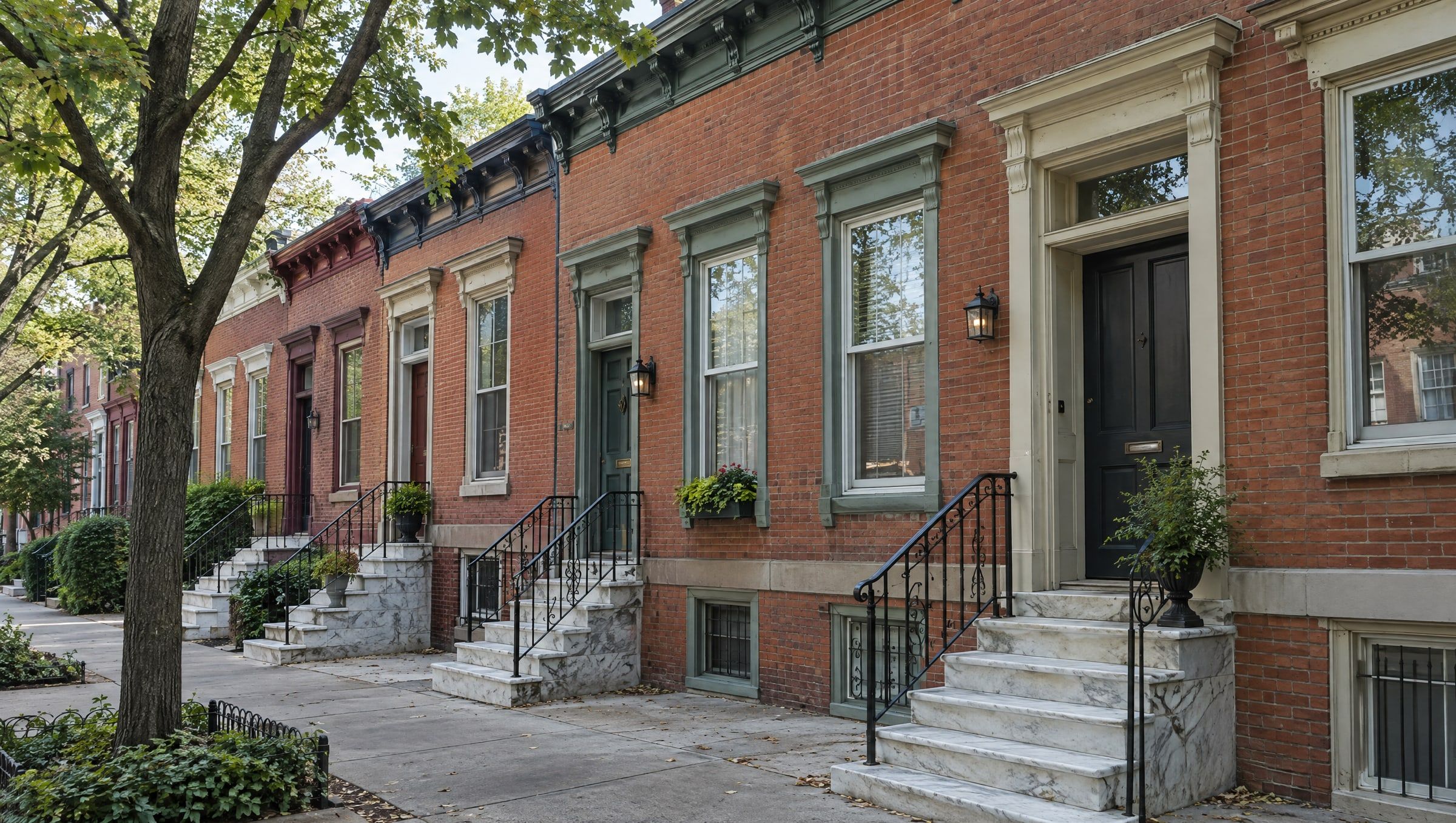
What landlords pay in New Jersey
- Homeowners benchmark
- $1,480 a yearAbout $123 a month; 41% below the $2,490 national average.
- Estimated landlord policy
- $1,700-$1,850 a yearLandlord (DP-3) cover typically runs 15-25% above homeowners cover on the same building. Your quote will differ.
- Main hazards
- Hurricane/tropical storm, Coastal flood, Nor'easter/winter storm, Wind, Freeze
- Not included
- Flood and earthquakeBoth need separate policies (NFIP or private flood; earthquake endorsement or policy).
Source: NerdWallet, 2026 homeowners (HO-3) median, $400,000 dwelling cover
Landlord insurance providers in New Jersey
Both write landlord policies in all 50 states and quote online. Neither publishes prices, so the only way to know your premium is to get a quote for your address.
- 1
Steadily
Our pickSingle-family and 2-4 unit rentals, including vacant and short-term.
8.5/10 provisionalPrice
Quote-based
Pros, cons and who should skip itHide details
Good
- Covers all 50 states.
- Fast online quotes.
- Writes vacant and renovation properties too.
Watch out
- Mixed claim experiences, including wear-and-tear denials.
- Underwritten through a carrier some lenders have queried.
- Flood needs a separate policy.
Skip it if
Anyone who wants a local agent sitting across the desk.
- 2
Obie
Investors with several properties; portfolio policies available.
8.1/10 provisionalPrice
Quote-based
Pros, cons and who should skip itHide details
Good
- All 50 states plus DC.
- Portfolio (blanket) policies for several rentals.
- Covers short-term rentals and renovations.
Watch out
- Claims run through third-party administrators.
- Some reports of non-renewal after claims.
- Support is mostly email.
Skip it if
Landlords who want claims handled by the company they bought from.
Prices checked Oct 18, 2026. Scores are provisional until our account tests are done.
Want to see how New Jersey compares? We keep a table of landlord insurance rates by state, with the method behind every figure.
On this page
Shore and inland are priced differently
Most of New Jersey’s rental housing, in Newark, Jersey City, Paterson, Trenton and the suburbs, insures for less than the national average. Fire, water damage, liability and nor’easter wind are the main risks, and plenty of carriers compete for the business.
The shore counties work differently. Near the coast in Monmouth, Ocean, Atlantic and Cape May, many policies carry a percentage hurricane or named-storm deductible, some carriers limit new business, and wind becomes the largest part of the price. If private carriers turn you down, the New Jersey Insurance Underwriting Association (the state’s FAIR Plan) is the fallback, with narrower coverage.
Flood after Sandy and Ida
Sandy in 2012 flooded shore towns and the Hudson waterfront, and FEMA’s flood maps were redrawn in its aftermath. Ida in 2021 showed that inland New Jersey floods too: flash flooding filled basements across Passaic, Union, Somerset and Middlesex counties, and basement apartments were hit hardest.
Your landlord policy covers none of that. Flood coverage comes from the National Flood Insurance Program or a private flood insurer, usually with a 30-day wait. If you rent out a basement unit, ask about water backup coverage as well, since sewer backup is a separate endorsement.
Older housing and lead
A large share of New Jersey rentals were built before 1978. The state requires lead-safe certification for most pre-1978 rentals at tenant turnover. Many landlord policies limit or exclude lead liability, so ask your insurer what yours says, and keep certification records with your insurance file.
The Anti-Eviction Act and your loss-of-rent math
New Jersey requires a statutory good cause to end most residential tenancies, even at lease end, with an exception for owner-occupied buildings of two or fewer units. Loss-of-rent coverage pays when a covered loss (a fire, a burst pipe) makes the unit unlivable. It doesn’t pay when a tenant stops paying. Budget for both separately.
What lenders require
Lenders require a landlord policy naming them as mortgagee, with dwelling coverage at least equal to the loan or replacement cost. Flood insurance is required on federally backed loans in a special flood hazard area. Investor lenders often require loss-of-rent coverage, and some reject very high hurricane deductibles.
Ways to cut the premium
- Raise utilities out of the basement at the shore. It helps on flood pricing and limits loss.
- Install a backwater valve and sump battery backup in units with basements.
- Raise your all-perils deductible while keeping the hurricane deductible at a level you can pay.
- Require renters insurance with liability in every lease.
- Get an elevation certificate for shore properties so your flood quote reflects the building’s actual height.
New Jersey deposit rules
Deposits are capped at one and a half months’ rent and must be held in an interest-bearing New Jersey bank account with written notice to the tenant (N.J.S.A. 46:8-19 to 46:8-26). Return it within 30 days with an itemized list, or within 5 business days if the tenant is displaced by fire, flood or condemnation. Wrongful withholding can cost double damages.
Questions landlords ask
The questions we get most, each answered in a paragraph.
How much is landlord insurance in New Jersey?
New Jersey's homeowners benchmark is $1,480 a year for $400,000 of dwelling coverage (NerdWallet 2026). Landlord policies typically cost 15% to 25% more, or about $1,700 to $1,850. A two-family in Trenton and a rental a block from the beach in Ocean County can be thousands apart once wind and flood are priced, so quote the real address.
What is a hurricane deductible in New Jersey?
It's a separate deductible that applies to damage from a named storm or hurricane, usually a percentage of the dwelling limit rather than a flat amount. On a $350,000 dwelling limit, a 2% hurricane deductible means you pay the first $7,000. They're most common on policies near the coast. Check what triggers it, since the wording varies by insurer.
Do I have to tell tenants about flood risk in New Jersey?
Yes. Since March 20, 2024, New Jersey requires landlords to give tenants a flood-risk notice. That's separate from your own flood insurance decision. Your landlord policy doesn't cover flood damage to the building, and your tenant's belongings are covered only if they buy renters insurance with flood coverage.